
Our Story
We've been making flutes by hand since 1990

One piece of wood. One pair of hands. One flute at a time.
It started in a Solana Beach garage with four flutes in the key of F#. Now it's a small shop in the Sonoran Desert. The address changed. The way we work hasn't. We still oil by hand. Tune by ear. Take as long as the sound asks for.
Three things we still believe:
Three things we still believe:

Craft that endures
Every flute begins as a single piece of wood. Shaped, bored, tuned, and oiled by hand — sometimes to a thousandth of an inch. We've worked this way since 1990 because the sound asks for it. One flute at a time.
Craft that endures
Every flute begins as a single piece of wood. Shaped, bored, tuned, and oiled by hand — sometimes to a thousandth of an inch. We've worked this way since 1990 because the sound asks for it. One flute at a time.
Craft that endures
Every flute begins as a single piece of wood. Shaped, bored, tuned, and oiled by hand — sometimes to a thousandth of an inch. We've worked this way since 1990 because the sound asks for it. One flute at a time.
Craft that endures
Every flute begins as a single piece of wood. Shaped, bored, tuned, and oiled by hand — sometimes to a thousandth of an inch. We've worked this way since 1990 because the sound asks for it. One flute at a time.

Built to played
Our flutes are made for whoever picks one up. First-timer or professional, child or seasoned musician — every hand finds the same welcome. We don't build flutes to impress. We build them to be played for life.
Built to played
Our flutes are made for whoever picks one up. First-timer or professional, child or seasoned musician — every hand finds the same welcome. We don't build flutes to impress. We build them to be played for life.
Built to played
Our flutes are made for whoever picks one up. First-timer or professional, child or seasoned musician — every hand finds the same welcome. We don't build flutes to impress. We build them to be played for life.

Living community
When someone picks up a High Spirits flute, they're joining something bigger — a circle of teachers, players, families, and first-timers around the world who keep the sound moving forward. One breath at a time.
Living community
When someone picks up a High Spirits flute, they're joining something bigger — a circle of teachers, players, families, and first-timers around the world who keep the sound moving forward. One breath at a time.
Living community
When someone picks up a High Spirits flute, they're joining something bigger — a circle of teachers, players, families, and first-timers around the world who keep the sound moving forward. One breath at a time.
Three things we still believe:

Our Story
We've been making flutes by hand since 1990
One piece of wood. One pair of hands. One flute at a time. It started in a Solana Beach garage with four flutes in the key of F#. Now it's a small shop in the Sonoran Desert. The address changed. The way we work hasn't. We still oil by hand. Tune by ear. Take as long as the sound asks for.
Our Story
We've been making flutes by hand since 1990
One piece of wood. One pair of hands. One flute at a time. It started in a Solana Beach garage with four flutes in the key of F#. Now it's a small shop in the Sonoran Desert. The address changed. The way we work hasn't. We still oil by hand. Tune by ear. Take as long as the sound asks for.
Our Story
We've been making flutes by hand since 1990
One piece of wood. One pair of hands. One flute at a time. It started in a Solana Beach garage with four flutes in the key of F#. Now it's a small shop in the Sonoran Desert. The address changed. The way we work hasn't. We still oil by hand. Tune by ear. Take as long as the sound asks for.
Founder & Visionary
Founder & Visionary
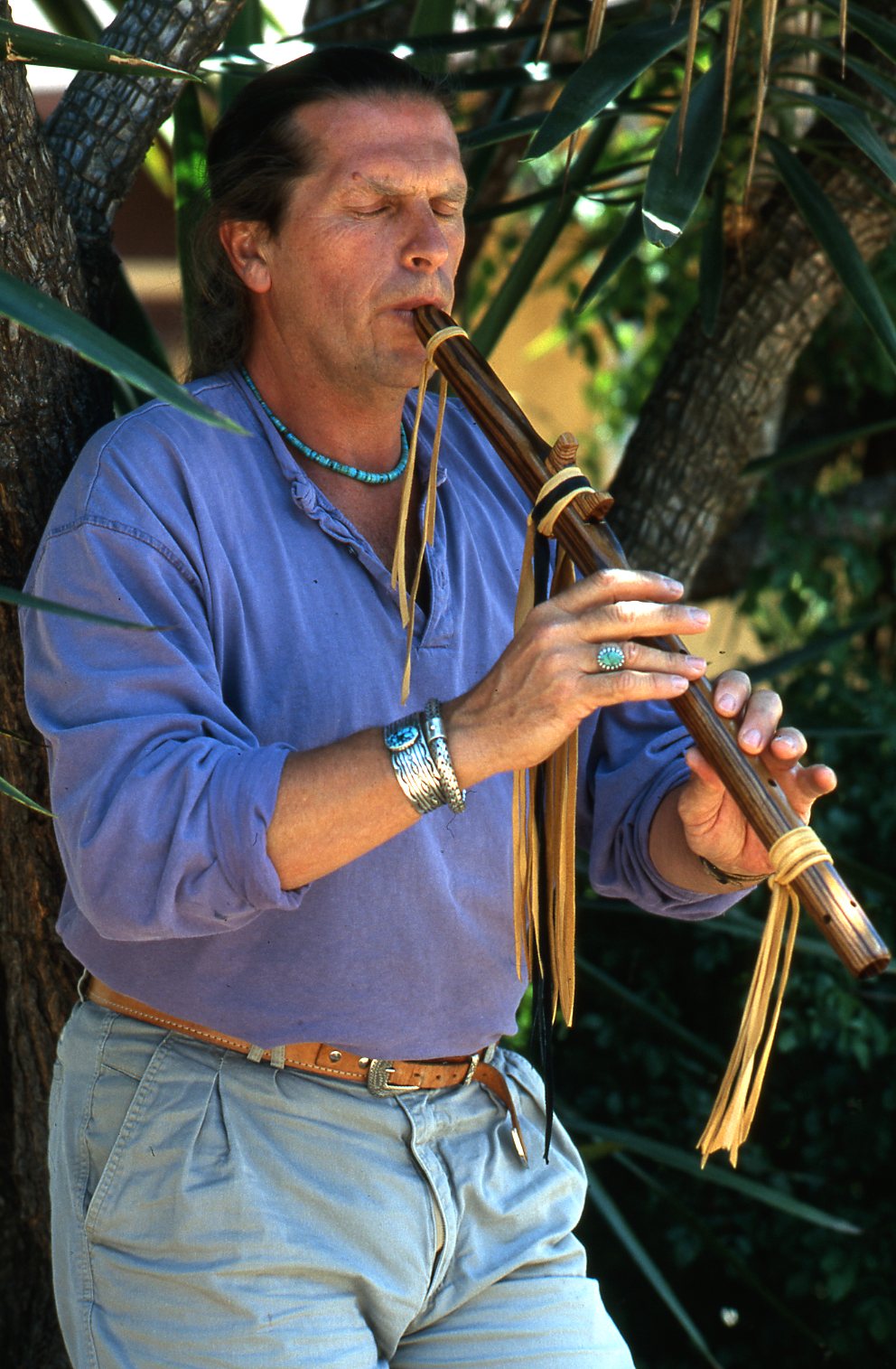
Odell Mulski-Borg
Odell Mulski-Borg
Odell got his first flute as a Christmas gift in 1988. It was the first instrument he'd ever held. He played it daily.
Two years later, a neighbor — a shipwright and furniture maker — taught him how to work wood. In 1990, in a one-car garage next to his studio apartment in Solana Beach, California, Odell made his first four flutes. Aromatic cedar. Key of F#. Bullet-shaped mouthpieces. Two-piece, split-style construction.
One of them came back to him broken years later. He kept it. It still sits in the shop.
By 1996, the work had outgrown the garage. He moved the shop to Patagonia, Arizona — pulled by a small town in the Sonoran Desert and the quiet that lets you make something slowly. He's been there ever since.
Odell tends to the design and the bench. His daughter Tara runs the day-to-day. The two of them, and a small crew, still make every flute by hand.
He'll tell you he doesn't have the personality for performing. He'd rather you played.
That, more than anything, is the reason High Spirits exists — to put a flute into anyone's hands and let them find out what it sounds like.
Odell got his first flute as a Christmas gift in 1988. It was the first instrument he'd ever held. He played it daily.
Two years later, a neighbor — a shipwright and furniture maker — taught him how to work wood. In 1990, in a one-car garage next to his studio apartment in Solana Beach, California, Odell made his first four flutes. Aromatic cedar. Key of F#. Bullet-shaped mouthpieces. Two-piece, split-style construction.
One of them came back to him broken years later. He kept it. It still sits in the shop.
By 1996, the work had outgrown the garage. He moved the shop to Patagonia, Arizona — pulled by a small town in the Sonoran Desert and the quiet that lets you make something slowly. He's been there ever since.
Odell tends to the design and the bench. His daughter Tara runs the day-to-day. The two of them, and a small crew, still make every flute by hand.
He'll tell you he doesn't have the personality for performing. He'd rather you played.
That, more than anything, is the reason High Spirits exists — to put a flute into anyone's hands and let them find out what it sounds like.

"Anyone can play the flute."
"Anyone can play the flute."


Where we are
Where we are
From a shop in the Sonoran desert to dealers around the world
From a shop in the Sonoran desert to dealers around the world

PATAGONIA, ARIZONA, USA
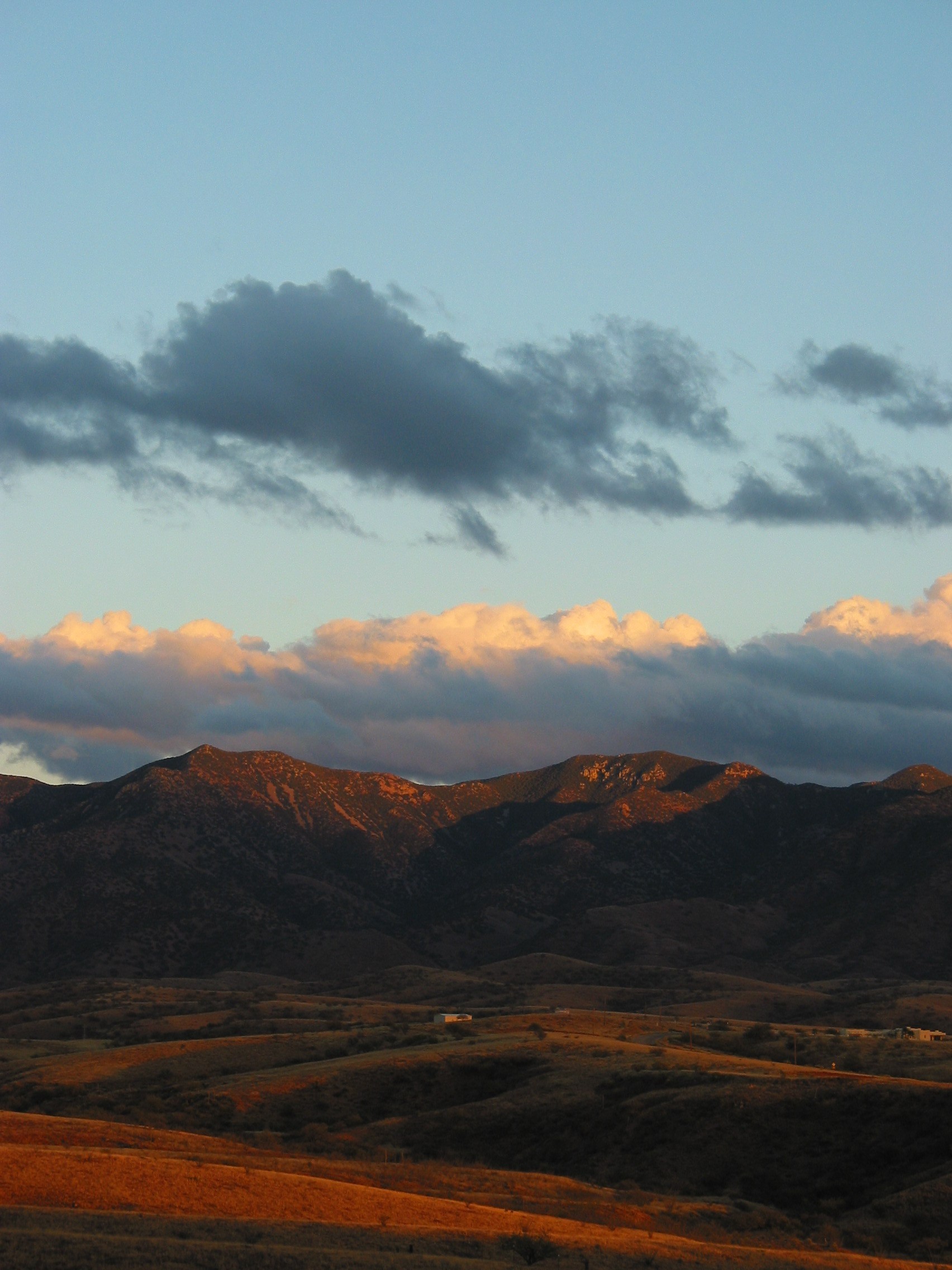
Every flute starts here, in a small shop in the Sonoran Desert. Patagonia is a quiet town — mountains on most sides, not much in between. The pace is slow. The light is different. It's the right place to make something slowly. Open by appointment. If you're nearby, reach out — we'd be glad to show you how a flute comes together.
TUCSON, ARIZONA, USA
DEALERS WORLDWIDE
PATAGONIA, ARIZONA, USA
Every flute starts here, in a small shop in the Sonoran Desert. Patagonia is a quiet town — mountains on most sides, not much in between. The pace is slow. The light is different. It's the right place to make something slowly. Open by appointment. If you're nearby, reach out — we'd be glad to show you how a flute comes together.
TUCSON, ARIZONA, USA
DEALERS WORLDWIDE
PATAGONIA, ARIZONA, USA
TUCSON, ARIZONA, USA
DEALERS WORLDWIDE
Where we are
From a shop in the Sonoran desert to dealers around the world
PATAGONIA, ARIZONA, USA
Every flute starts here, in a small shop in the Sonoran Desert. Patagonia is a quiet town — mountains on most sides, not much in between. The pace is slow. The light is different. It's the right place to make something slowly. Open by appointment. If you're nearby, reach out — we'd be glad to show you how a flute comes together.
TUCSON, ARIZONA, USA
DEALERS WORLDWIDE
Woods we work with
Woods we work with
Each wood is chosen for its tone, feel, and relationship to the flute.
Alder
Aromatic Cedar
Ebonized Walnut
A lightweight, sustainably harvested domestic hardwood. Alder ranges from light tan to reddish brown, with a uniform grain that's easy on the eye and gentle to work. Its voice is well-rounded and clear — close to Black Walnut, but with its own subtle warmth.
Spanish Cedar
A lightweight, sustainably harvested domestic hardwood. Alder ranges from light tan to reddish brown, with a uniform grain that's easy on the eye and gentle to work. Its voice is well-rounded and clear — close to Black Walnut, but with its own subtle warmth.
Walnut
Woods we work with
Each wood is chosen for its tone, feel, and relationship to the flute.
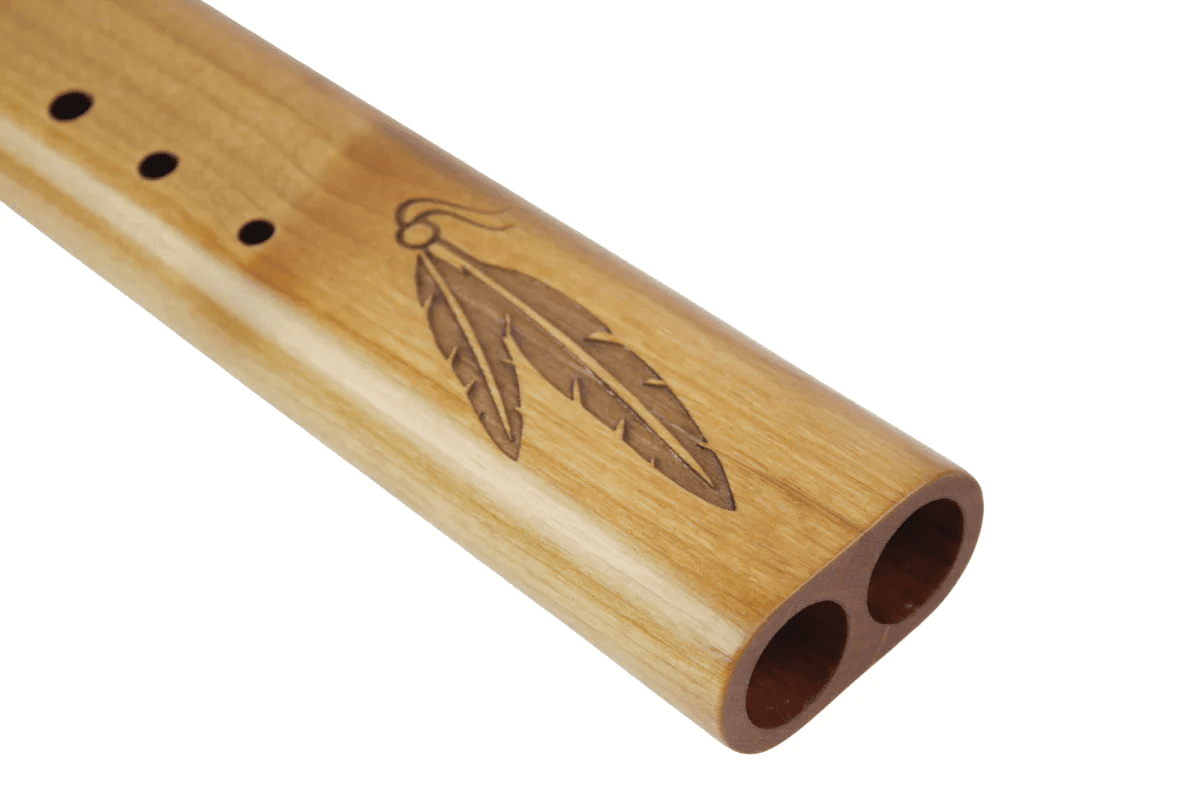
Alder
A lightweight, sustainably harvested domestic hardwood. Alder ranges from light tan to reddish brown, with a uniform grain that's easy on the eye and gentle to work. Its voice is well-rounded and clear — close to Black Walnut, but with its own subtle warmth.
Aromatic Cedar
A lightweight, sustainably harvested domestic hardwood. Alder ranges from light tan to reddish brown, with a uniform grain that's easy on the eye and gentle to work. Its voice is well-rounded and clear — close to Black Walnut, but with its own subtle warmth.
Ebonized Walnut
A lightweight, sustainably harvested domestic hardwood. Alder ranges from light tan to reddish brown, with a uniform grain that's easy on the eye and gentle to work. Its voice is well-rounded and clear — close to Black Walnut, but with its own subtle warmth.
Spanish Cedar
A lightweight, sustainably harvested domestic hardwood. Alder ranges from light tan to reddish brown, with a uniform grain that's easy on the eye and gentle to work. Its voice is well-rounded and clear — close to Black Walnut, but with its own subtle warmth.
Walnut
A lightweight, sustainably harvested domestic hardwood. Alder ranges from light tan to reddish brown, with a uniform grain that's easy on the eye and gentle to work. Its voice is well-rounded and clear — close to Black Walnut, but with its own subtle warmth.

How We Make Them
How We Make Them
From a single piece of wood to a flute that sings
From a single piece of wood to a flute that sings
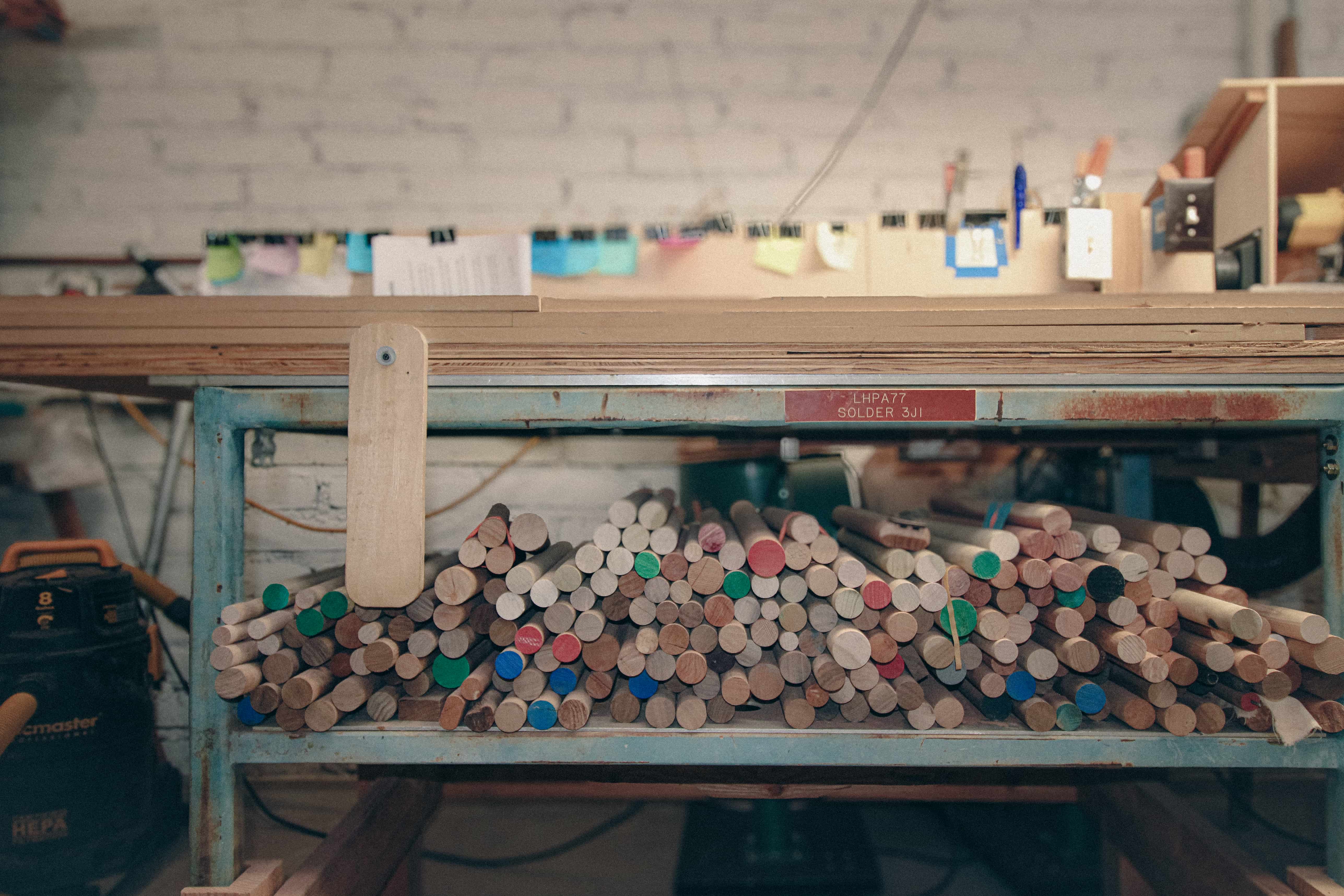
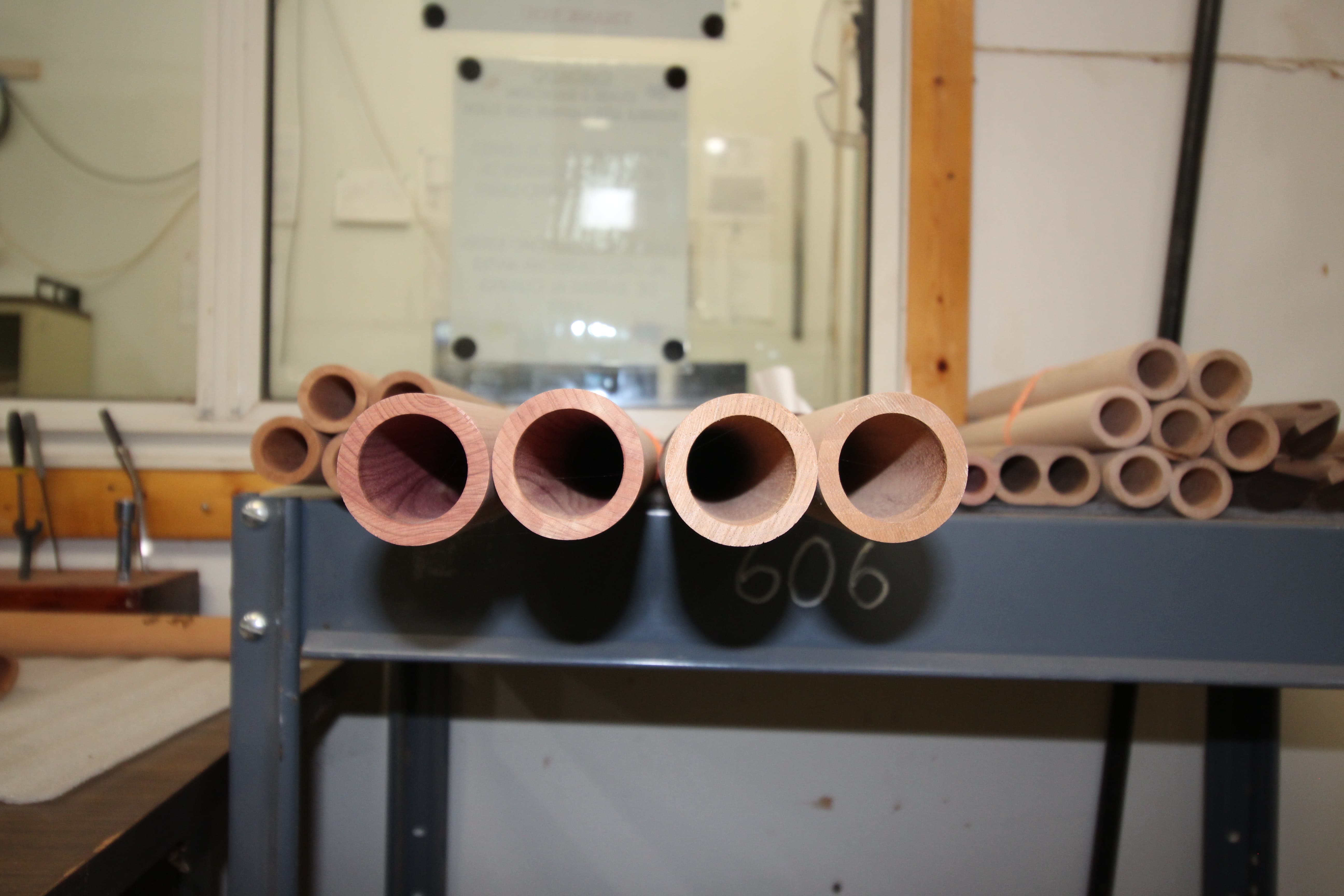
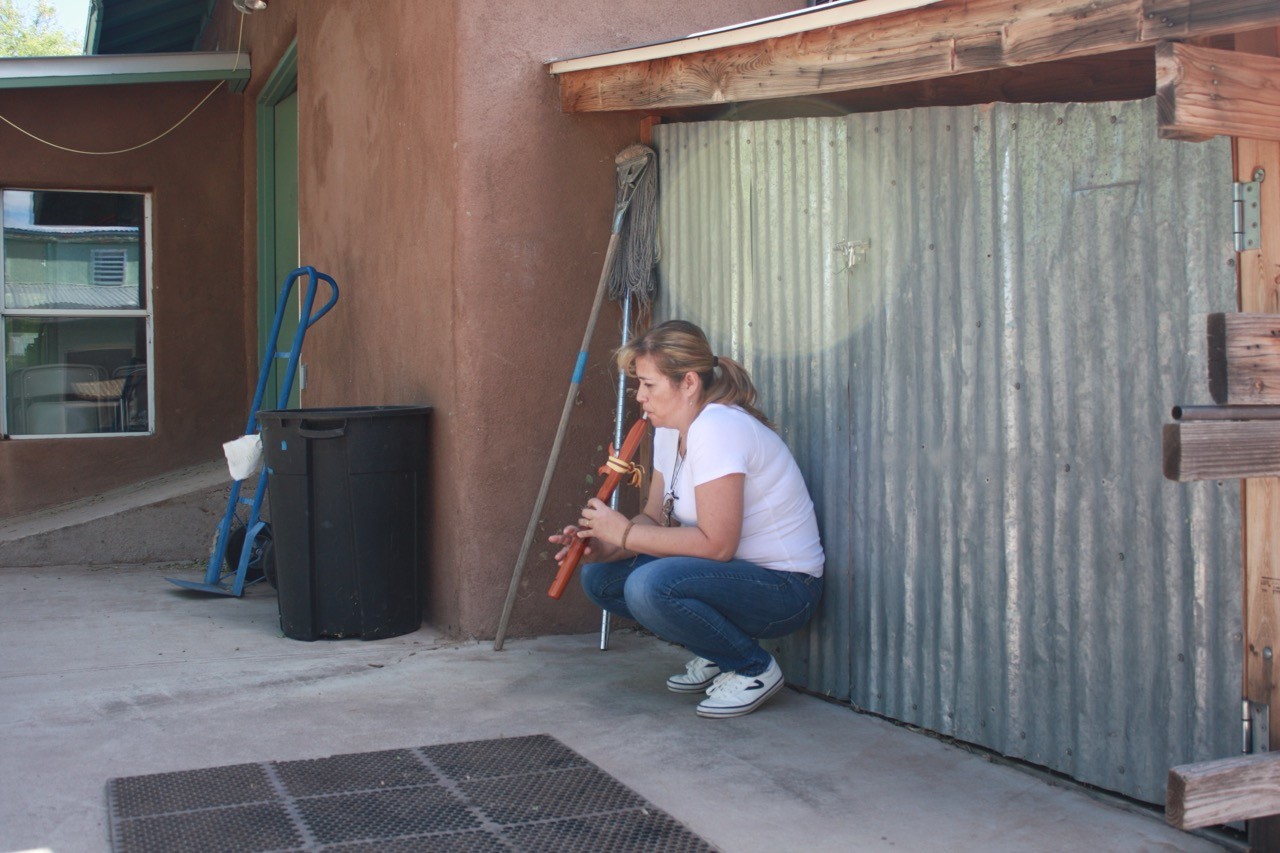
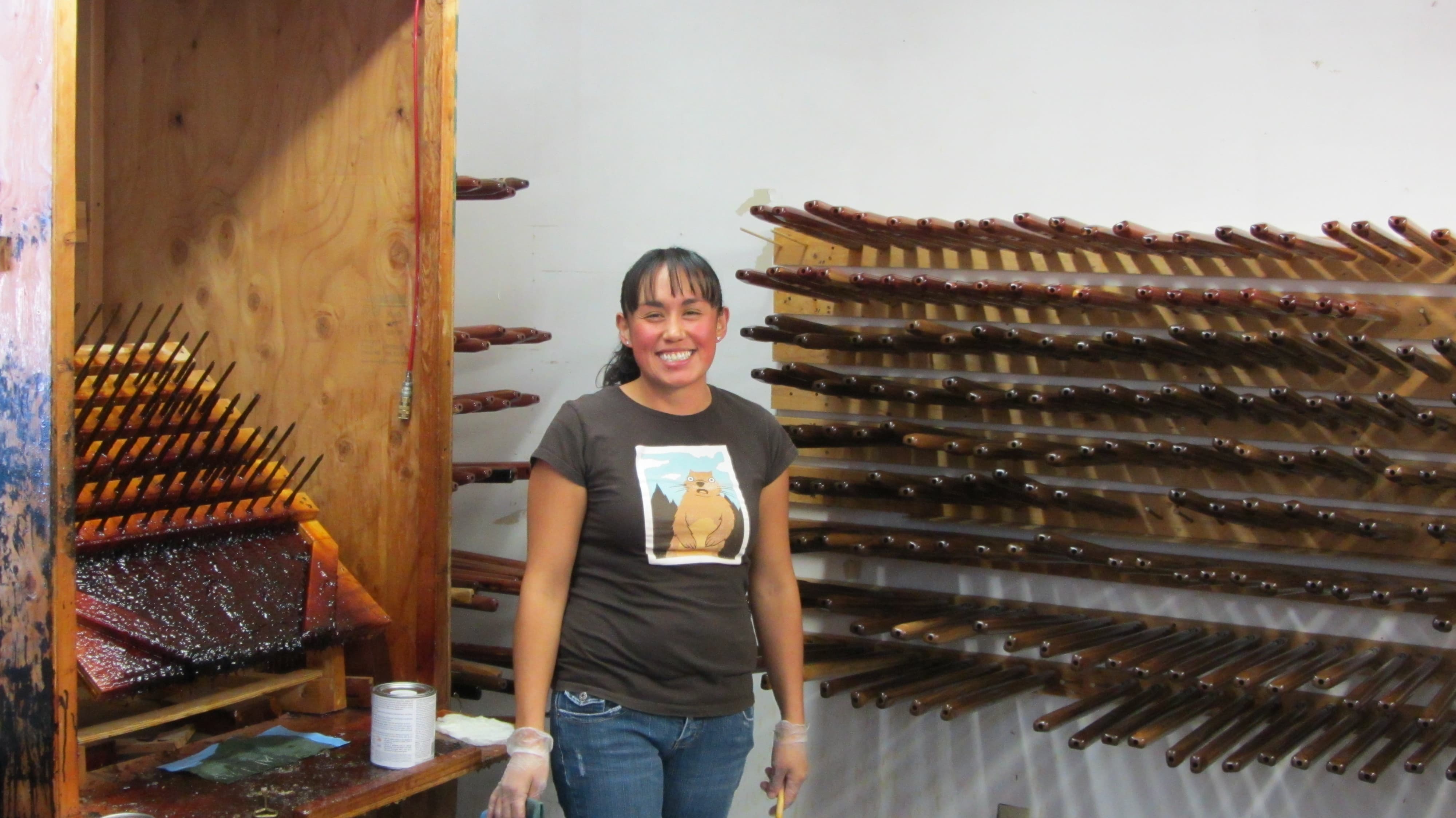
The wood comes first. We choose each piece for its grain, density, and the way it sounds when air moves through it. Aromatic Cedar is most common — the wood of the Southwest — though we work with walnut, Spanish cedar, alder, and others when the wood calls for it. Each piece is cut to length and milled to size, and the basic form takes shape. No two sound exactly alike. Some will be bright. Some will be deep. The wood has its say from the start.

Selection & cutting

Drilling & Chambers

Tuning

Finishing

In Motion
The wood comes first. We choose each piece for its grain, density, and the way it sounds when air moves through it. Aromatic Cedar is most common — the wood of the Southwest — though we work with walnut, Spanish cedar, alder, and others when the wood calls for it. Each piece is cut to length and milled to size, and the basic form takes shape. No two sound exactly alike. Some will be bright. Some will be deep. The wood has its say from the start.
Selection & cutting
Drilling & Chambers
Tuning
Finishing
In Motion
WOODS WE WORK WITH
Each wood is chosen for its tone, feel, and relationship to the flute.
Alder
A lightweight, sustainably harvested domestic hardwood. Alder ranges from light tan to reddish brown, with a uniform grain that's easy on the eye and gentle to work. Its voice is well-rounded and clear — close to Black Walnut, but with its own subtle warmth.
Aromatic Cedar
A lightweight, sustainably harvested domestic hardwood. Alder ranges from light tan to reddish brown, with a uniform grain that's easy on the eye and gentle to work. Its voice is well-rounded and clear — close to Black Walnut, but with its own subtle warmth.
Ebonized Walnut
A lightweight, sustainably harvested domestic hardwood. Alder ranges from light tan to reddish brown, with a uniform grain that's easy on the eye and gentle to work. Its voice is well-rounded and clear — close to Black Walnut, but with its own subtle warmth.
Spanish Cedar
A lightweight, sustainably harvested domestic hardwood. Alder ranges from light tan to reddish brown, with a uniform grain that's easy on the eye and gentle to work. Its voice is well-rounded and clear — close to Black Walnut, but with its own subtle warmth.
Walnut
A lightweight, sustainably harvested domestic hardwood. Alder ranges from light tan to reddish brown, with a uniform grain that's easy on the eye and gentle to work. Its voice is well-rounded and clear — close to Black Walnut, but with its own subtle warmth.
Alder
A lightweight, sustainably harvested domestic hardwood. Alder ranges from light tan to reddish brown, with a uniform grain that's easy on the eye and gentle to work. Its voice is well-rounded and clear — close to Black Walnut, but with its own subtle warmth.
Aromatic Cedar
A lightweight, sustainably harvested domestic hardwood. Alder ranges from light tan to reddish brown, with a uniform grain that's easy on the eye and gentle to work. Its voice is well-rounded and clear — close to Black Walnut, but with its own subtle warmth.
Ebonized Walnut
A lightweight, sustainably harvested domestic hardwood. Alder ranges from light tan to reddish brown, with a uniform grain that's easy on the eye and gentle to work. Its voice is well-rounded and clear — close to Black Walnut, but with its own subtle warmth.
Spanish Cedar
A lightweight, sustainably harvested domestic hardwood. Alder ranges from light tan to reddish brown, with a uniform grain that's easy on the eye and gentle to work. Its voice is well-rounded and clear — close to Black Walnut, but with its own subtle warmth.
Walnut
A lightweight, sustainably harvested domestic hardwood. Alder ranges from light tan to reddish brown, with a uniform grain that's easy on the eye and gentle to work. Its voice is well-rounded and clear — close to Black Walnut, but with its own subtle warmth.